
Work holiday events can spike anxiety because they combine performance pressure, small talk, crowds, and the blurring of professional and personal roles. The most practical approach is to prepare before the event, use simple grounding tools during it, and treat yourself with compassion afterward. This is a common experience, not a personal failing. Solace Grove Behavioral Health provides outpatient support in Milwaukee and across Wisconsin for adults who want help with anxiety. If you are in crisis, call the 988 Suicide & Crisis Lifeline.
Table of Contents
- Why do work holiday events trigger social anxiety?
- Why does my anxiety get worse around the holidays?
- How do I decide which holiday work events to attend?
- How do I set goals for a work holiday party without over-planning?
- What can I do during the event when anxiety spikes?
- What if the event is mandatory and I can't skip it?
- When should I get help for social anxiety at work events?
- Key Takeaways
- References
Why do work holiday events trigger social anxiety?
Work holiday events trigger social anxiety because they layer social performance on top of professional expectations. The holiday season is often packed with work events and family gatherings, which can heighten stress and disconnection for people managing social anxiety, according to Anxiety & OCD Philly.
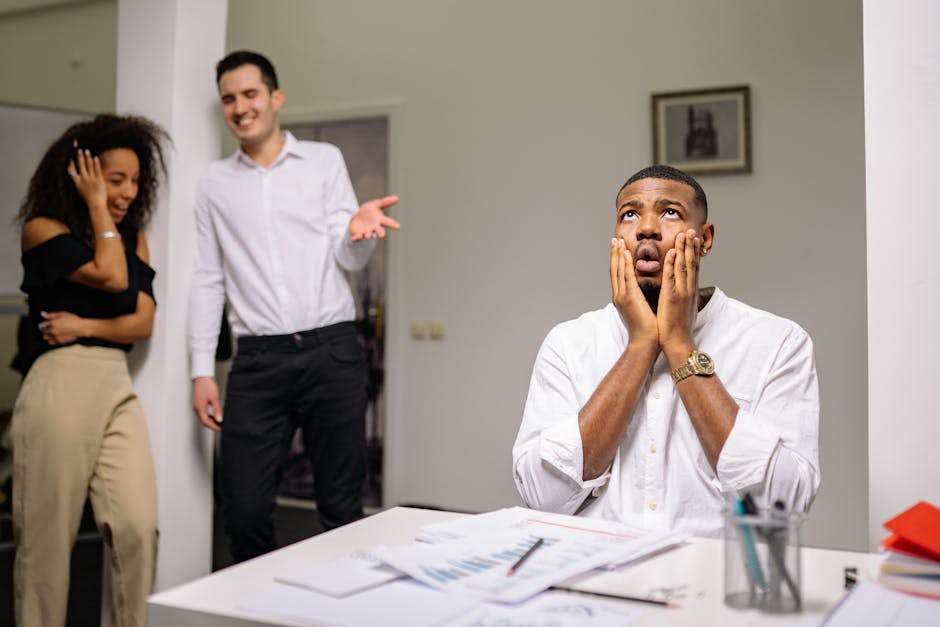
Comparisons to idealized holiday images, from Hallmark movies to polished holiday cards and others' social media celebrations, can fuel feelings of inadequacy and disconnection. A work party adds specific pressures: mixing professional and personal roles, staying "on" for hours, navigating open-ended small talk, and possibly attending alone. Feeling anxious in this setting is a normal response to a demanding social situation, not a sign that something is wrong with you.
Why does my anxiety get worse around the holidays?
Anxiety often gets worse around the holidays because the season piles more events, obligations, and expectations onto an already full calendar. The holiday season brings a heavier load of social gatherings, shopping, travel, and family contact, with less downtime in between, according to Anxiety & OCD Philly.

Holiday imagery and social comparison add another layer of "should" pressure. Large crowds and unfamiliar social settings can be draining, even when the events themselves are positive. A busier calendar plus higher expectations is a heavy load. It makes sense that anxiety rises when your nervous system has fewer chances to rest and more demands to perform.
How do I decide which holiday work events to attend?
Check in with yourself before agreeing to an event, rather than letting guilt drive the decision. Ask whether the event aligns with your personal values, such as connection, self-care, or professional growth, according to Anxiety & OCD Philly.
You do not have to attend every event this season, and you do not have to be perfect at the ones you do attend. If you decline, keep it warm and brief. You might say, "I won't be able to make it this year, but I hope you have a wonderful time." If you need to leave early, a simple "I'm heading out, thanks for a lovely evening" is enough. You do not owe a long explanation.
How do I set goals for a work holiday party without over-planning?
Set SMART goals: specific, measurable, attainable, relevant, and time-bound. This approach makes events feel more manageable. Dr. Stefan Hofmann's work on treating social anxiety encourages setting specific, reasonable, achievable goals, according to Anxiety & OCD Philly, citing Hofmann & Otto, 2008.
A measurable goal might be "Talk to a coworker about a shared hobby for five minutes." A vague goal like "I want to feel good at the party" is harder to plan for and easier to judge harshly. Over-planning every detail of an interaction can raise anxiety and set you up to feel like you failed afterward. Choose one or two small, observable actions and let the rest unfold.
What can I do during the event when anxiety spikes?
When anxiety spikes during the event, use in-the-moment tools to settle your body. Try paced breathing: inhale for four counts, hold for four, exhale for six. Ground yourself through your senses by noticing three things you can see, two you can hear, and one you can touch. Step away briefly to a quieter space, such as a hallway or restroom, and give yourself a few minutes to reset.
Arrive with one or two prepared conversation topics, such as a recent show, a hobby, or weekend plans. Give yourself permission to leave early if you need to. If you are attending alone, plan a small anchor: arrive on time, greet the host, find one familiar face, and set a time limit for how long you will stay. These during-event tips are general coping guidance rather than sourced claims from the research pack.
What if the event is mandatory and I can't skip it?
Some work events are required, and the goal shifts from "should I go" to "how do I make it manageable." Set a realistic goal for the required event, such as greeting two colleagues or staying for one hour. Protect recovery time before and after the event by keeping the rest of your day lighter.
Focus on values that matter at work, such as professional growth or connection with a few colleagues, according to Anxiety & OCD Philly. You do not have to be perfect at any event. Showing up, being present for a short time, and leaving when you need to is a reasonable and complete effort.
When should I get help for social anxiety at work events?
It may be time to get help when anxiety at work events starts interfering with your job, your relationships, or your ability to rest. Signs include avoiding events you want to attend, replaying conversations for days afterward, or feeling dread for weeks before a gathering. These are invitations to get an assessment, not labels or diagnoses.
Therapy approaches such as cognitive behavioral therapy can help people prepare for and move through anxiety-provoking events. Solace Grove Behavioral Health provides outpatient care rather than 24-hour emergency services. For urgent needs, call the 988 Suicide & Crisis Lifeline. Solace Grove offers Individual Therapy in person in Milwaukee or by telehealth across Wisconsin. Care can be coordinated with Psychiatric Medication Management when appropriate. If you would like to talk with someone who will listen at your pace, Solace Grove is here.
Key Takeaways
- Holiday work events can heighten stress and disconnection for people managing social anxiety, especially when compared to idealized holiday images and others' social media.
- Checking in with yourself before agreeing to an event, rather than deciding from guilt, is a recommended first step.
- You do not have to attend every holiday event, and you do not have to be perfect at the ones you attend.
- SMART goals, which are specific, measurable, attainable, relevant, and time-bound, work better than vague hopes like "feel good at the party."
- Behaviorally measurable goals, such as talking with a coworker about a shared interest for five minutes, are easier to plan for than subjective feelings.
- Over-planning every detail of an interaction can increase anxiety and lead to feeling like you failed afterward.
- Solace Grove Behavioral Health offers outpatient individual therapy in Milwaukee and by telehealth across Wisconsin, while the 988 Suicide & Crisis Lifeline is available for urgent needs.
References
- Navigating Holiday Gatherings: Managing Social Anxiety This Festive Season — Anxiety & OCD Philly
Support is available.
Connect with Solace Grove to explore care shaped around your goals.
Book Appointment