
Postpartum Depression in Wisconsin: Signs, Support & Treatment
2026-07-18 · Solace Grove Behavioral Health
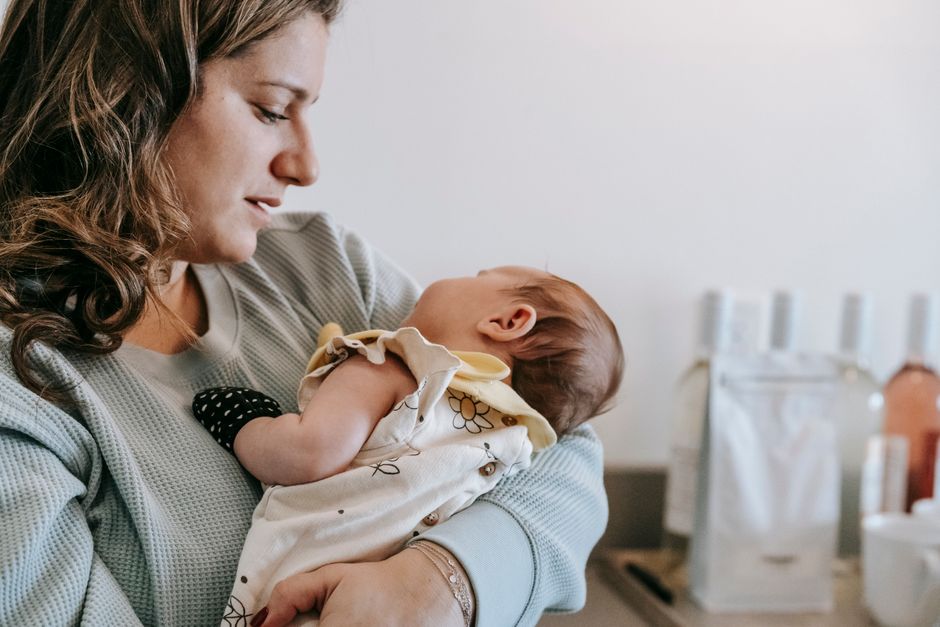
If you or someone you love is facing postpartum depression in Wisconsin, knowing where to turn is the first step toward healing. The transition into parenthood brings profound joy, but it can also arrive with emotional weight that feels impossible to carry alone. Postpartum depression is not a personal failure, and it is not something you need to navigate in silence. This guide walks you through the signs that distinguish postpartum depression from the baby blues, the latest Wisconsin-specific data on how many families are affected, and a clear roadmap to treatment and support networks available across the state in 2026.
Table of Contents
- What Is Postpartum Depression? Understanding the Difference from “Baby Blues”
- How Common Is Postpartum Depression in Wisconsin? (2026 Data)
- Recognizing the Warning Signs: When to Seek Help
- Why Wisconsin’s Approach to Postpartum Depression Is Unique
- Treatment Options for Postpartum Depression in Wisconsin
- How to Find Help: A Step-by-Step Guide for Wisconsin Families
- Frequently Asked Questions About Postpartum Depression in Wisconsin
- Key Takeaways and Next Steps
What Is Postpartum Depression? Understanding the Difference from “Baby Blues”
Postpartum depression, or PPD, is a serious but treatable mood disorder that can emerge after childbirth. It is not a character flaw, a sign of weakness, or evidence that someone is not a good parent. The condition involves chemical changes in the brain, hormonal shifts, and the immense psychological adjustment that comes with caring for a newborn.

The baby blues, by contrast, are a brief period of tearfulness, mood swings, and mild anxiety that typically resolves within two weeks of delivery. When those feelings persist beyond two weeks, intensify over time, or begin to interfere with daily functioning, the concern shifts toward postpartum depression. Core symptoms include persistent sadness, loss of interest in activities that once brought pleasure, significant changes in appetite or sleep patterns beyond what new parenthood explains, overwhelming anxiety, difficulty bonding with the baby, and in severe cases, thoughts of self-harm or harming the infant.
PPD can begin any time within the first year after childbirth, not just in the immediate postpartum weeks. Some parents notice symptoms creeping in gradually months after delivery. It is also important to recognize that non-birthing parents and adoptive parents can experience perinatal mood disorders, a reality that often goes unaddressed in conversations about maternal mental health.
How Common Is Postpartum Depression in Wisconsin? (2026 Data)
Postpartum depression affects families across every county in Wisconsin. According to data from America’s Health Rankings, 12.9 percent of Wisconsin women with a recent live birth reported experiencing depressive symptoms. This places Wisconsin 31st among U.S. states, with rates nationally spanning from 7.2 percent in Vermont to 17.1 percent in Mississippi. While Wisconsin sits near the middle of the range, the number still represents thousands of new mothers each year who struggle with symptoms that deserve attention and care.
The Wisconsin Department of Health Services has identified a significant screening gap: approximately 20 percent of pregnant women in the state are not screened for depression during prenatal care visits. This missed opportunity means that many individuals enter the postpartum period without a baseline mental health assessment or a plan for support.

Risk factors tracked through Wisconsin’s Pregnancy Risk Assessment Monitoring System (PRAMS) paint a clearer picture of who is most vulnerable. Wisconsin mothers with perinatal depression were 1.6 times more likely to have experienced three or more stressful life events in the year before giving birth. Sixteen percent had a personal history of depression, another 16 percent reported trouble paying bills, and 23 percent indicated that their pregnancy was unintended. These overlapping stressors, financial strain, personal mental health history, and pregnancy intention, create a web of risk that providers and families can watch for proactively.
These figures likely underrepresent the true scope of postpartum depression in Wisconsin. Stigma, fear of judgment, and the pressure to appear like a capable, joyful parent all contribute to underreporting. Many individuals suffer in private, unaware that their experience is both common and treatable.
Recognizing the Warning Signs: When to Seek Help
Emotional and Behavioral Symptoms
The emotional landscape of postpartum depression often extends beyond sadness. Many parents describe extreme irritability, sudden rage, or mood swings that feel uncontrollable and out of character. Persistent feelings of worthlessness, guilt, or inadequacy as a parent can take root, even when there is no logical basis for those beliefs. Withdrawal from partners, family members, and friends is common, as is a marked loss of interest in hobbies or activities that previously brought comfort and joy.
Physical and Cognitive Symptoms
Postpartum depression manifests physically in ways that are easy to attribute solely to new parenthood. Severe fatigue that rest does not resolve, insomnia even when the baby is sleeping, and significant changes in appetite, eating too little or too much, all warrant attention. Cognitive symptoms include difficulty concentrating, indecisiveness, and memory problems that interfere with daily tasks. These are not simply the fog of sleep deprivation; they are signs that the brain is struggling under the weight of untreated depression.
When It’s an Emergency
Thoughts of harming yourself or your baby require immediate intervention. These thoughts do not make you a bad parent, but they signal a crisis that cannot wait. Call or text the 988 Suicide and Crisis Lifeline at any time. The National Maternal Mental Health Hotline, reachable at 1-833-943-5746, offers confidential support from trained counselors. If the danger feels imminent, go to the nearest emergency room or call 911. Emergency departments in Wisconsin are equipped to handle psychiatric crises, and seeking help in these moments is an act of courage and protection for both parent and child.
Why Wisconsin’s Approach to Postpartum Depression Is Unique
Wisconsin has built several distinctive resources that set it apart in the national landscape of perinatal mental health care. One of the most innovative is The Periscope Project, a free, state-funded teleconsultation service that connects healthcare providers directly with a perinatal psychiatrist. Providers can reach a specialist within 30 minutes on weekdays, allowing OB/GYNs, pediatricians, and family doctors who may not have psychiatric training to access expert guidance on medication management, diagnosis, and treatment planning for their patients. This program addresses a critical gap: many providers want to help but lack the specialized knowledge to do so confidently.
The University of Wisconsin Population Health Institute has championed the Mother-Infant Therapy Group (M-ITG) intervention, an evidence-based model now being culturally adapted for home visiting programs across the state. In this dual approach, mothers attend group therapy while their infants participate in a developmental group in an adjacent space. The session concludes with joint mother-infant interaction time, strengthening the attachment bond while addressing maternal depression. This integrated model recognizes that treating a parent’s mental health and supporting infant development are not separate goals.
Wisconsin has also invested in peer support infrastructure. The state offers certification pathways for Peer Support Specialists and Maternal Mental Health Peer Specialists, creating a workforce of individuals with lived experience who can walk alongside parents in recovery. Postpartum Support International’s Wisconsin chapter, PSI-WI, coordinates Climb Out of the Darkness events, community walks and gatherings that raise awareness and funds while connecting families to local resources. Additionally, Wisconsin Medicaid provides specific billing codes, H0002 and H0004, for perinatal mental health screening and intervention, making these services financially sustainable for providers who serve Medicaid-enrolled patients.
Treatment Options for Postpartum Depression in Wisconsin
Therapy and Counseling
Cognitive Behavioral Therapy (CBT) and Interpersonal Therapy (IPT) are first-line treatments for postpartum depression, both supported by extensive research. CBT focuses on identifying and shifting unhelpful thought patterns, while IPT addresses relationship transitions and role changes that accompany new parenthood. Group therapy offers an additional layer of healing through shared experience. The M-ITG model and PSI-WI support groups provide structured, facilitated environments where parents can connect with others who understand what they are going through. To find a therapist specializing in perinatal mental health, the PSI provider directory offers a searchable database of qualified professionals practicing in Wisconsin.
Medication and Medical Interventions
Antidepressants, particularly selective serotonin reuptake inhibitors (SSRIs), are safe and effective for many breastfeeding parents. The decision to start medication should involve a thorough conversation with a healthcare provider who can weigh the risks of untreated depression against any potential medication exposure to the infant. For complex cases where standard treatments are not sufficient, Wisconsin providers can access The Periscope Project for specialist consultation on medication adjustments and alternative approaches. Select clinics in the state, including Revival Infusion, offer Transcranial Magnetic Stimulation (TMS) and Spravato (esketamine) for treatment-resistant postpartum depression. These options represent important advances for individuals who have not responded to traditional therapies.
Peer Support and Community Resources
Peer support fills a space that clinical treatment alone cannot reach. PSI-Wisconsin maintains online support groups, a helpline, and provider referral services. Moms Mental Health Initiative offers free support groups and resource navigation, helping families cut through the confusion of finding appropriate care. Local home visiting programs, such as Nurse-Family Partnership, integrate mental health screening into their regular visits, creating a natural bridge between families and the services they need. These programs operate in urban, rural, and Tribal communities, extending the reach of mental health support across Wisconsin’s diverse geography.
How to Find Help: A Step-by-Step Guide for Wisconsin Families
Step one: talk to your OB/GYN, pediatrician, or family doctor. These providers can screen you using validated tools like the PHQ-9 or the Edinburgh Postnatal Depression Scale (EPDS). A screening takes only a few minutes and can open the door to treatment.
Step two: call the PSI Helpline at 1-800-944-4773 or the National Maternal Mental Health Hotline at 1-833-943-5746. Both lines offer immediate, confidential support and can direct you to Wisconsin-specific resources.
Step three: use the PSI-WI provider directory to locate a therapist or psychiatrist with perinatal training. If you are a clinician, The Periscope Project’s provider line connects you with a perinatal psychiatrist for case consultation.
Step four: check your insurance coverage. Wisconsin Medicaid covers perinatal mental health screening and therapy. Private insurers are required by law to provide mental health parity, meaning coverage for mental health treatment must be comparable to coverage for physical health conditions.
Step five: reach out to a peer support specialist. These professionals have walked a similar path and can offer understanding, practical strategies, and companionship through recovery. Find them through PSI-WI or the Wisconsin Peer Specialist Employment Initiative.
Frequently Asked Questions About Postpartum Depression in Wisconsin
What is the difference between postpartum depression and baby blues? Baby blues resolve within two weeks and involve mild mood swings. Postpartum depression persists beyond two weeks, intensifies over time, and interferes with daily functioning.
Is postpartum depression screening covered by Wisconsin Medicaid? Yes. Wisconsin Medicaid reimburses providers for perinatal mental health screening using billing codes H0002 and H0004.
Can fathers or partners get postpartum depression? Yes. Non-birthing parents, including fathers and adoptive parents, can experience perinatal mood disorders. Symptoms may look different, often presenting as irritability, withdrawal, or increased substance use, but the need for support is equally real.
What is The Periscope Project, and who can use it? The Periscope Project is a free teleconsultation service for Wisconsin healthcare providers. It connects clinicians with a perinatal psychiatrist for guidance on patient care. It is not a direct-to-patient service.
Where can I find a free support group near me? PSI-WI and Moms Mental Health Initiative both offer free support groups. Many Wisconsin hospitals also run postpartum support groups open to community members regardless of where they delivered.
Key Takeaways and Next Steps
Postpartum depression is common, treatable, and not your fault. The symptoms that feel isolating and frightening are shared by thousands of parents across Wisconsin, and a network of care exists to help you move through them. The three most actionable steps are straightforward: get screened by a trusted provider, reach out to a support line to break the isolation, and connect with a Wisconsin-specific resource like PSI-WI, The Periscope Project, or a peer specialist who can walk with you.
Family members and friends play a vital role too. Learn the warning signs, ask how someone is really doing, and offer non-judgmental, practical support. A meal dropped off, an hour of childcare, or simply sitting with someone in their pain can be a lifeline. You are not alone. Help is available, and recovery is possible.