

You manage money stress without shame by separating your worth from your bank balance, naming what you feel, and taking small, steady steps. Money stress is a normal response to real pressure, not a personal failure. Shame is often the heaviest part of it. Support is available if the weight feels like too much to carry alone.
Table of Contents
- What does "managing money stress without shame" actually mean?
- What are the signs that money stress is affecting your health?
- Is money stress really that common in the US right now?
- How do you calm your body when money panic hits?
- What small money steps help without adding more shame?
- When should you reach out for professional support?
- How does money stress show up in a relationship?
- Key Takeaways
- References
What does "managing money stress without shame" actually mean?
Managing money stress without shame means treating financial pressure as a situation you are facing, not a verdict on who you are. Money shame is a deep belief that financial hardship means something is wrong with you, not just your situation, according to Insightful Matters.
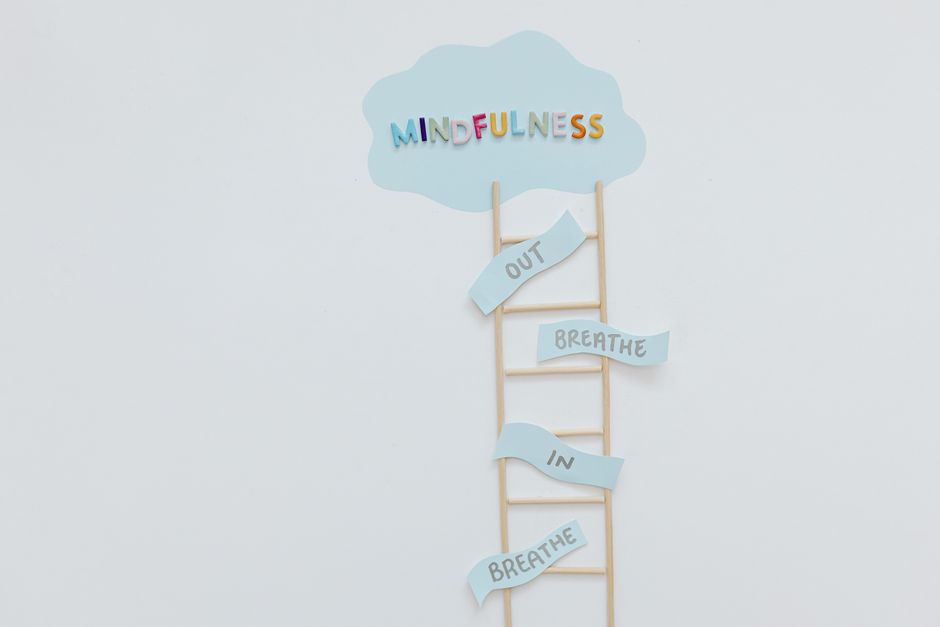
Financial anxiety is often anticipatory. It focuses on what might happen next, not only what is happening now. The practical problem involves numbers, bills, and budgets. The emotional weight involves shame, fear, and avoidance. Struggling with money is a common human experience, not a character flaw. HelpGuide notes that financial stress affects people across income levels and life circumstances.
What are the signs that money stress is affecting your health?
Money stress can show up in the body, the mind, and daily habits. Physical signs include trouble falling or staying asleep, stomach upset, headaches, muscle tension, and appetite changes that lead to weight gain or loss, according to HelpGuide and River North Counseling.

Mental and emotional signs include trouble focusing, forgetfulness, brain fog, short temper, emotional reactivity, and panic attacks. A 2026 systematic review covering nearly four decades of research found that people with higher levels of debt consistently reported greater psychological distress, especially depressive symptoms, per HelpGuide. Money worries can also lead to unhealthy coping methods such as drinking too much, gambling, or overeating.
Is money stress really that common in the US right now?
Yes. Money stress is widespread in the United States right now. The American Psychological Association's 2025 Stress in America report found that 66 percent of Americans feel stressed about money, according to HelpGuide.
The same report found that 75 percent of Americans said they were concerned about the economy at large. These numbers are proof that the reader is not alone or uniquely bad with money. Financial stress can also strain relationships and lead to social withdrawal. Many people carry this weight quietly, which can make the isolation feel worse than the numbers themselves.
How do you calm your body when money panic hits?
You calm your body by interrupting the stress response with simple, repeatable exercises. Box breathing is one option. Breathe in for four seconds, hold for four, exhale for four, and hold again for four, as described by Insightful Matters.
The 5-4-3-2-1 grounding exercise is another tool. Identify five things you can see, four things you can touch, and three things you can hear. Naming physical sensations helps interrupt the cortisol and adrenaline surge behind a short temper or racing mind, according to River North Counseling. A gentle reframe helps here: the body is trying to protect you, not betray you.
What small money steps help without adding more shame?
Small, time-limited money steps help without adding more shame. A "money window" of 20 to 30 minutes, two to three days a week, keeps money tasks contained, according to River North Counseling. Outside that window, the mind gets permission to rest.
The triage method orders priorities clearly. Safety comes first: housing, utilities, food, essential transportation, and medications. Damage control comes next: minimum payments, payment plans, and hardship options. Optimization comes last: interest rates, aggressive payoff strategies, and investing. A 24-hour waiting rule for non-essential spending can slow impulsive decisions. HelpGuide also recommends talking to someone, taking inventory of finances, making a plan, and creating a monthly budget.
When should you reach out for professional support?
If symptoms last most days for more than two weeks, professional support may help, according to River North Counseling. Solace Grove Behavioral Health offers Individual Therapy for adults working through anxiety, depression, trauma, grief, or a season of feeling stuck. Sessions are available in person in Milwaukee and by telehealth across Wisconsin.
Psychiatric Medication Management is also available for evaluation and ongoing support, coordinated with therapy so the whole plan works together. Solace Grove provides outpatient care rather than 24-hour emergency services. For urgent needs, the 988 Suicide & Crisis Lifeline is available.
How does money stress show up in a relationship?
Money stress shows up in relationships as conflict, distance, and mutual frustration. Financial stress can create relationship difficulties and social withdrawal, according to HelpGuide. Two people with different money histories can trigger each other's shame without meaning to.
One person may want to talk through every number. The other may avoid the topic entirely. Naming the stress as a shared outside problem, rather than a fault in either person, can shift the dynamic. Family Therapy at Solace Grove brings family members together to ease conflict and rebuild communication, in person in Milwaukee or by telehealth.
Key Takeaways
- 66 percent of Americans feel stressed about money, and 75 percent are concerned about the economy at large, per the APA's 2025 Stress in America report.
- A 2026 systematic review covering nearly four decades found that people with higher debt consistently reported greater psychological distress, especially depressive symptoms.
- Money shame is the belief that financial hardship means something is wrong with you, not just your situation.
- Financial anxiety is often anticipatory, focused on what might happen next, not only what is happening now.
- Box breathing and the 5-4-3-2-1 grounding exercise can calm the body during a money panic moment.
- The triage method orders money tasks as safety first, damage control second, and optimization last.
- If symptoms last most days for more than two weeks, professional support may help, and Solace Grove provides outpatient care, not 24-hour emergency services.
References
- Coping with Financial Stress — HelpGuide, updated 2026-07-21
- Managing Financial Stress: Tips for Emotional Well-Being — River North Counseling, 2025-12-30
- Managing the Emotional Side of Financial Stress — Insightful Matters, Jul 15
Support is available.
Connect with Solace Grove to explore care shaped around your goals.
Book Appointment