
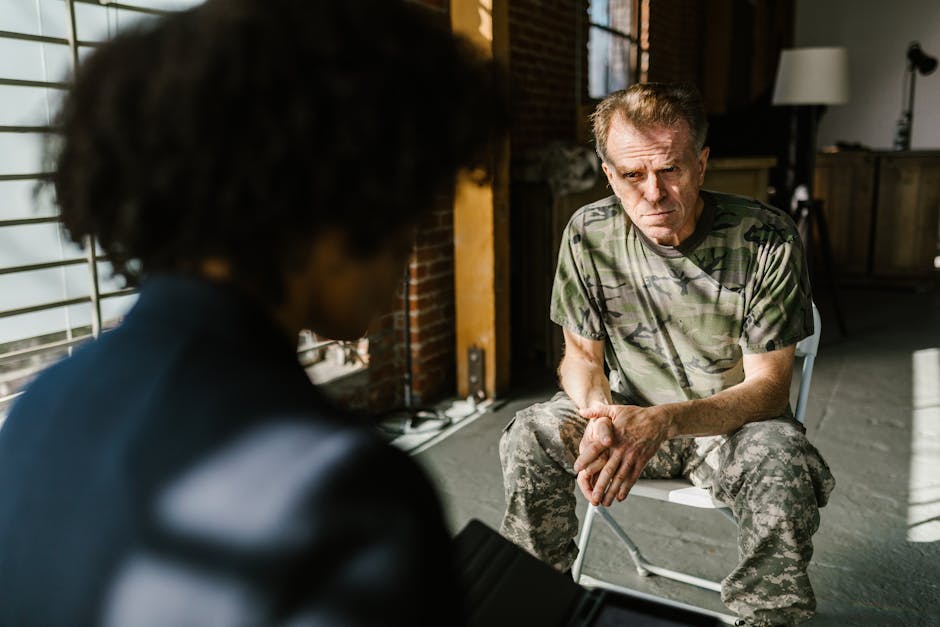
Supporting a partner with PTSD starts with steady, patient presence rather than fixing or forcing. Trauma experts believe face-to-face support from loved ones is one of the most important factors in PTSD recovery, according to HelpGuide. You can love someone deeply and still feel lost, drained, or unsure what to say. Both things can be true at once.
Table of Contents
How does PTSD show up in a romantic relationship?
PTSD can develop after someone experiences or witnesses a traumatic event, and its symptoms often reach into close relationships first. Partners commonly notice flashbacks, panic attacks, heightened irritability, trust issues, and avoidance of reminders, according to New Choices Treatment Centers. These signs can feel confusing when they appear without warning.
Hypervigilance is a nervous system stuck on alert. This state can make it hard for a person to regulate emotions during stress, keep consistent sleep patterns, or work through ordinary relationship conflicts, as New Choices Treatment Centers explains. Small disagreements may feel larger because the body is already braced for danger.
Anger, irritability, depression, and mistrust are symptoms a loved one cannot simply switch off. PTSD UK notes that a person with PTSD may not always have control over their behavior because their nervous system is stuck in a state of constant alert. These responses are not choices or character flaws. They are part of how trauma lives in the body.
Why is my partner pushing me away?
Withdrawal is common and often comes from shame, not wanting to burden others, or a belief that no one will understand. HelpGuide reports that people with PTSD may pull back from family and friends for exactly these reasons. Pulling away is usually about the trauma, not about the relationship or your worth.
Staying nearby without pressure can help. A consistent, low-demand presence over time often feels safer than a direct request to open up. PTSD UK advises that a loved one may not be able to articulate what they need or how they are feeling. What helps can shift from moment to moment, and that is normal.
What should I say — and what should I avoid saying?
Follow, do not lead. Let your partner set the pace and the depth of any conversation about the trauma. Pressing someone to talk about what happened can make some people feel worse, according to HelpGuide. Silence and patience are often more supportive than questions.
Avoid blaming a partner for their symptoms, minimizing what happened, or telling them to snap out of it. Medical News Today lists these as among the most harmful responses a partner can give. Instead, use "I" statements to share concerns without blame, as New Choices Treatment Centers recommends. You might say, "I notice you seem tense tonight, and I feel unsure how to help."
A person may need to talk about the traumatic event over and over again as part of healing. PTSD UK describes this repetition as a normal part of the process. Your role is to listen without rushing the story toward a resolution.
How do I handle a trauma trigger in the moment?
A trigger can look like sudden panic, freezing, irritability, or going somewhere else mentally. In real time, the goal is to reduce stimulation and restore a sense of safety. Lower your voice, reduce noise and crowding, and give physical space. Avoid arguing with what the person is experiencing, even if it does not match the facts of the moment.
Stay calm and grounded yourself. Your steadiness can help regulate the room, according to HelpGuide. Offer simple choices rather than commands, such as "Would you like water or a quiet room?" Simple choices return a small sense of control.
After the moment has passed, talk about what helped and what to try next time. PTSD UK notes that what helps can change from moment to moment, so a calm follow-up conversation can build a shared plan.
How do I care for myself while supporting my partner?
Put on your own oxygen mask first. Your emotional and physical health matter, and burnout helps no one. PTSD UK frames this as essential guidance for partners. Supporting someone through PTSD is a long process, not a sprint.
The toll is real. PTSD symptoms can lead to job loss, substance use, and strain that touches the whole family, according to HelpGuide. Partners often absorb that weight quietly. Practical anchors like sleep, movement, time with friends, and your own therapy are maintenance, not luxury.
Solace Grove Behavioral Health offers Individual Therapy for adults in Milwaukee and by telehealth across Wisconsin. Partners can also bring the relationship into the work through Family Therapy, which supports communication and shared understanding. Caring for yourself is part of sustaining the relationship, not a betrayal of it.
Does recovery from PTSD follow a straight line?
No. Recovery is a process that takes time and often includes setbacks, according to HelpGuide. A hard week is not a failure. Setbacks are information about what support is still needed, not proof that things are getting worse.
Evidence-based therapies exist, including Cognitive Behavioral Therapy, EMDR, exposure therapy, and group support programs, as New Choices Treatment Centers notes. A partner's role is encouragement, not treatment. Solace Grove provides outpatient care rather than 24-hour emergency services. Anyone in crisis can call or text the 988 Suicide & Crisis Lifeline.
What if my partner also has anxiety or depression?
PTSD often travels with anxiety and depression, which can add withdrawal, low energy, and hopelessness to the picture. These overlapping symptoms can make relationships feel heavier and communication harder, according to Medical News Today. The combination can feel like carrying two weights at once.
Keep expectations flexible and celebrate small, ordinary moments of connection. A shared meal or a short walk can matter more than a long conversation. A professional assessment is more reliable than self-diagnosis. Solace Grove offers Psychiatric Medication Management coordinated with therapy when that fits someone's plan.
Key Takeaways
Face-to-face support from loved ones is one of the most important factors in PTSD recovery.
Withdrawal from a partner often stems from shame or fear of being a burden, not from a lack of love.
Pressing someone to talk about their trauma can make some people feel worse; letting them set the pace is safer.
Hypervigilance keeps the body on constant alert, disrupting sleep, mood, and the ability to handle normal relationship conflict.
Avoiding blame, minimizing the trauma, and saying "snap out of it" are among the most harmful responses a partner can give.
Recovery from PTSD takes time and includes setbacks; a difficult stretch does not mean the relationship or the healing has failed.
Partners need support too; protecting your own health is part of sustaining the relationship, not a betrayal of it.
References
Helping Someone with PTSD — HelpGuide, updated February 26, 2026
5 Ways to Support a Partner with PTSD (Without Burnout) — New Choices Treatment Centers
Supporting someone with PTSD or C-PTSD — PTSD UK
Relationships and PTSD: What to know — Medical News Today, updated January 24, 2025
Support is available.
Connect with Solace Grove to explore care shaped around your goals.
Book Appointment