

Yes, anxiety can produce real, measurable physical symptoms, and a normal medical workup does not mean the symptoms are imagined. Anxiety is not the only possible cause, so symptoms deserve a full medical look first. When physical causes are ruled out, a behavioral health assessment can help connect the dots between the body and the mind.
Table of Contents
- What physical symptoms can anxiety actually cause?
- Why do doctors keep saying it could be anxiety?
- Can anxiety cause a heart attack or stroke?
- How can you tell if shortness of breath is from anxiety?
- What are the anxiety symptoms no one talks about?
- How are anxiety-related physical symptoms treated?
- Can you live with severe anxiety long term?
- Key Takeaways
- References
What physical symptoms can anxiety actually cause?
Yes, anxiety can cause a wide range of physical symptoms that feel very real. Anxiety activates the autonomic nervous system, which controls heart rate, breathing, and digestion, and triggers the fight-or-flight response, according to Harvard Health.
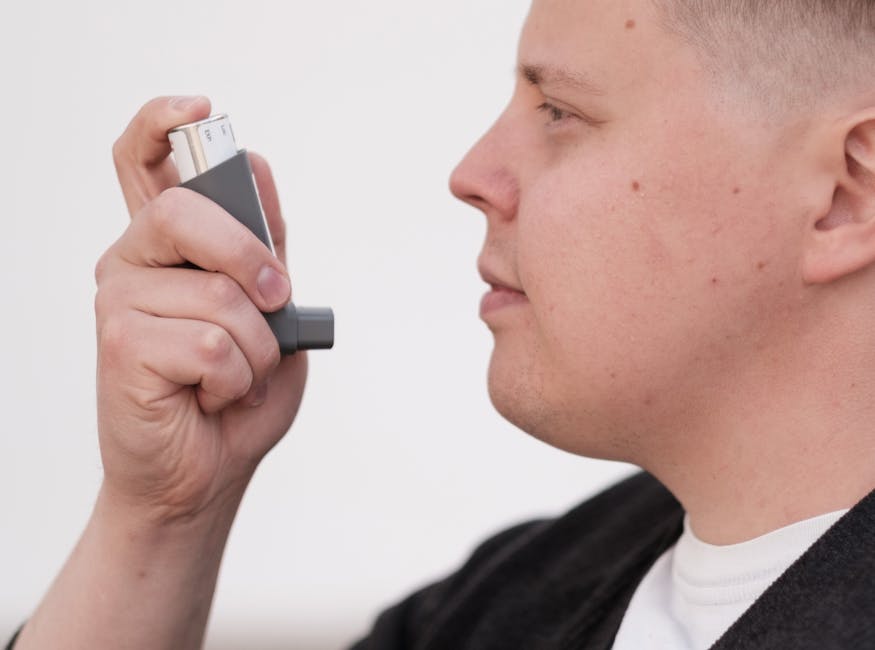
Common signs include an increased heart rate, rapid breathing, sweating, trembling, feeling weak or tired, and trouble sleeping, according to Mayo Clinic. Digestive symptoms like upset stomach, nausea, and stomach pain are also common, along with headaches and shakiness, according to Harvard Health.
Panic attacks can bring chest pain, shortness of breath, and a rapid or pounding heart, and these episodes can peak within minutes, according to Mayo Clinic. These symptoms are real physical events, not signs that someone is making anything up. The body is responding to a perceived threat, even when no obvious danger is present.
Why do doctors keep saying it could be anxiety?
Sometimes doctors say this because they regularly see people with genuine pain or other symptoms where no physical cause is found, according to Harvard Health. The symptoms are real. The search for a physical explanation simply comes up clear.

Anxiety can also be linked to an underlying health issue, and anxiety symptoms can sometimes be the first sign of a medical illness, according to Mayo Clinic. That is why testing still matters. A doctor who mentions anxiety is not necessarily dismissing the symptoms. The comment can be a starting point for more questions.
The causes of anxiety disorders are not fully understood. Traumatic life events and inherited traits both appear to play a role, according to Mayo Clinic. A person can also become so focused on the physical effects of an anxious state that they do not notice they were anxious at all, according to Harvard Health. A discussion on Mayo Clinic Connect shows how common this experience is. One person described months of swallowing trouble, unsteady walking, and weight loss while doctors kept saying the symptoms could be anxiety.
Can anxiety cause a heart attack or stroke?
No, anxiety is not known to directly cause heart attacks or strokes, and this question is an area where research is still limited. Anxiety-related chest pain and heart palpitations feel alarming, but they are not the same as a cardiac event, according to Mayo Clinic.
Panic attacks can include feelings of impending doom, shortness of breath, and chest pain that mimic heart problems, according to Mayo Clinic. Because the symptoms overlap, new or worsening chest pain, fainting, or sudden weakness needs urgent medical evaluation. Solace Grove Behavioral Health provides outpatient care rather than 24-hour emergency services, and the 988 Suicide & Crisis Lifeline is available for crisis support. A medical provider can help sort out whether symptoms point to anxiety or to a heart condition.
How can you tell if shortness of breath is from anxiety?
It depends, because anxiety-driven breathlessness often comes with other signs. Rapid breathing, or hyperventilation, is a recognized anxiety sign, according to Mayo Clinic. Shortness of breath is one of the physical symptoms the autonomic nervous system produces under stress, according to Harvard Health.
Anxiety-related shortness of breath may appear alongside sweating, trembling, or a racing heart, according to Mayo Clinic. Only a medical evaluation can rule out lung or heart causes, so new or lasting breathlessness should be checked. A provider can look at the full pattern of symptoms and help determine what is happening.
What are the anxiety symptoms no one talks about?
Yes, some anxiety symptoms are less commonly discussed but still very real. Trouble swallowing, a tight or burning throat, unsteady walking, and throat noises while swallowing have been described by people whose tests came back clear, according to Mayo Clinic Connect.
Noticeable weight loss and difficulty gaining weight can accompany months of unexplained symptoms, according to Mayo Clinic Connect. Sleep can drop to three or four hours a night during a long stretch of unexplained symptoms, according to Mayo Clinic Connect. Fixating on these symptoms can make them more intense, creating a loop where the reaction to the symptom worsens the symptom, according to Harvard Health.
How are anxiety-related physical symptoms treated?
Treatment usually starts with an assessment that looks at the whole picture, body and mind together, rather than one symptom alone. A provider can help identify patterns and build a plan that fits the person.
Individual Therapy at Solace Grove Behavioral Health offers one-to-one talk therapy for adults working through anxiety, depression, trauma, grief, or a season of feeling stuck. Sessions are available in person in Milwaukee or by telehealth across Wisconsin.
Psychiatric Medication Management pairs prescribing support with therapy so the whole plan works together. Group Therapy gives adults a small, facilitated space to work on shared challenges alongside people who understand, as a lower-cost complement to individual work. Family Therapy can help when symptoms are straining relationships or when a loved one is struggling. The goal is care that respects the person's pace and treats the body and mind as connected.
Can you live with severe anxiety long term?
Yes, people can live with severe anxiety, and support can change the experience. Anxiety disorders involve intense, excessive, and persistent worry that interferes with everyday situations, according to Mayo Clinic.
The causes are not fully understood, and outcomes vary from person to person, according to Mayo Clinic. Anxiety that goes unaddressed can keep the symptom cycle going, since focusing on physical symptoms tends to intensify them, according to Harvard Health. Reaching out for support is a normal next step rather than a last resort.
Key Takeaways
- Anxiety can cause real physical symptoms, including a racing heart, rapid breathing, sweating, trembling, headaches, nausea, and stomach pain.
- The autonomic nervous system produces the fight-or-flight response that drives many of these symptoms.
- A clear medical workup does not mean symptoms are imagined, and doctors often see real symptoms with no physical cause found.
- Anxiety symptoms can sometimes be the first sign of an underlying medical issue, so testing still matters.
- Focusing on anxiety-produced symptoms can make them more intense and create a worsening cycle.
- Unexplained symptoms reported by real people include trouble swallowing, throat tightness, unsteady walking, weight loss, and very little sleep.
- Solace Grove Behavioral Health offers outpatient therapy and medication management in Milwaukee and by telehealth across Wisconsin.
References
- Anxiety disorders - Symptoms and causes — Mayo Clinic
- Recognizing and easing the physical symptoms of anxiety — Harvard Health, 2024-07-29
- Lots of physical symptoms, doctors keep saying could be anxiety — Mayo Clinic Connect, 2022-09-23
Support is available.
Connect with Solace Grove to explore care shaped around your goals.
Book Appointment